


Read it now: 2012 Annual Letter From Bill Gates
|
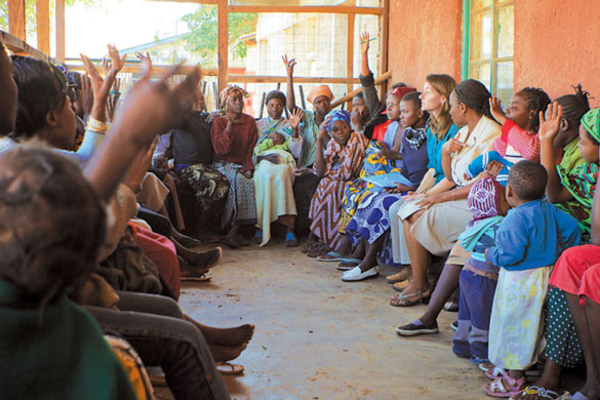
Posted By: How May I Help You NC on February 13, 2012 FEATURED Content Throughout my careers in software and philanthropy—and in each of my annual letters—a recurring theme has been that innovation is the key to improving the world. When innovators work on urgent problems and deliver solutions to people in need, the results can be magical. Right now, just over 1 billion people—about 15 percent of the people in the world—live in extreme poverty. On most days, they worry about whether their family will have enough food to eat. There is irony in this, since most of them live and work on farms. The problem is that their farms, which tend to be just a couple acres in size, don’t produce enough food for a family to live on. Fifteen percent of the world in extreme poverty actually represents a big improvement. Fifty years ago, about 40 percent of the global population was poor. Then, in the 1960s and 1970s, in what is called the “Green Revolution,” Norman Borlaug and other researchers created new seed varieties for rice, wheat, and maize (corn) that helped many farmers vastly improve their yields. In some places, like East Asia, food intake went up by as much as 50 percent. Globally, the price of wheat dropped by two-thirds. These changes saved countless lives and helped nations develop. We have the ability to accelerate this historic progress. We can be more innovative about delivering solutions that already exist to the farmers who need them. Knowledge about managing soil and tools like drip irrigation can help poor farmers grow more food today. We can also discover new approaches and create new tools to fundamentally transform farmers’ lives. But we won’t advance if we don’t continue to fund agricultural innovation, and I am very worried about where those funds will come from in the current economic and political climate. "My annual letter this year is an argument for making the choice to keep on helping extremely poor people build self-sufficiency." The world faces a clear choice. If we invest relatively modest amounts, many more poor farmers will be able to feed their families. If we don’t, one in seven people will continue living needlessly on the edge of starvation. My annual letter this year is an argument for making the choice to keep on helping extremely poor people build self-sufficiency. My concern is not only about farming; it applies to all the areas of global development and global health in which we work. Using the latest tools—seeds, vaccines, AIDS drugs, and contraceptives, for example—we have made impressive progress. However, if we don’t make these success stories widely known, we won’t generate the funding commitments needed to maintain progress and save lives. At stake are the future prospects of one billion human beings. More: http://www.gatesfoundation.org/annual-lett... If you enjoyed this article, Join HBCU CONNECT today for similar content and opportunities via email! |
 |
How May I Help You NC
Management, See Moss Interactive Bellarmine University class of 2021 Member Since January 2011 |
Comments
More From This Author
Latest News




Popular News



 |
North Carolina HBCU Unity DayShaw University - Elizabeth City State University - Johnson C. Smith University - Fayetteville State University - Livingstone College - North Carolina A&T State University - North Carolina Central Uni ...more
Reginald Culpepper • 105,123 Views • August 8th, 2016 |


