


HBCU Meharry Medical College Developing the Only COVID-19 Specific Antiviral on The Market...
|
NOTICE: This content is in pending
status and not visible to those without the url...
|
|
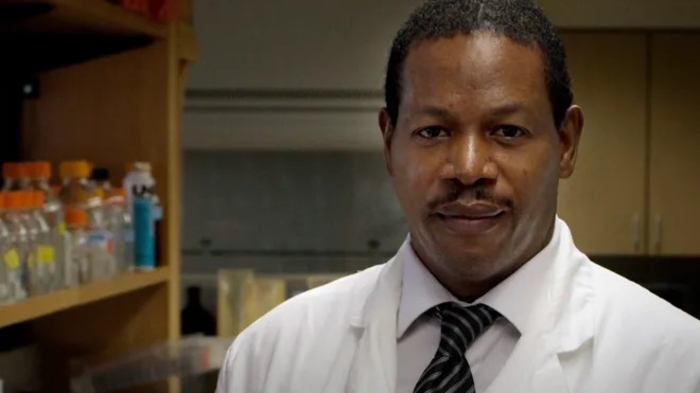
Posted By: Will Moss on August 06, 2020 This is significant not only due to the fact that the drug is being developed by a Dr. at an HBCU, Meharry Medical College, it is also significant because it is not a vaccine, which many African Americans, and Americans in general have a hard time trusting. A scientist who previously developed an antiviral with potential to treat Zika is close to testing a similar drug to combat COVID-19. Dr. Donald Alcendor, an associate professor of microbiology and immunology at Meharry Medical College, began working on the COVID-19 antiviral in April and anticipates it is four to six weeks away from animal toxicity testing. Should the antiviral meet expectations and proceed through further testing, he predicts that it may be FDA-approved and in use sometime next year. “With Zika, we saw the changes within infected cells in a matter of hours. To see something like that in a patient would be remarkable,” Alcendor said. Dr. Donald Alcendor, an associate professor of microbiology and immunology at Meharry Medical College. The work is especially meaningful for Meharry Medical College, an HBCU founded in 1876 to train Black doctors and provide care for underserved African Americans, a community that, at the time, was often ignored by white doctors. African Americans have been disproportionately hit by the pandemic and remain one of the most at risk of contracting COVID-19. "Infectious disease research is one of Meharry’s strengths and we are excited to (be a) part of the global scientific effort to find a treatment for this virus," said Meharry Medical College President and CEO Dr. James Hildreth. "The devastating impact of COVID-19 on minorities makes this research especially relevant to Meharry’s legacy and mission," he said in an emailed statement. How the antiviral would work The antiviral is different from a vaccine in that it could treat those who have already contracted the novel coronavirus, which has killed more than 126,000 in the United States, according to the CDC. There is currently no FDA-approved vaccine or antiviral. In May, hospitals were given emergency authorization by the FDA to administer Remdesivir, previously used to slow the replication of the Ebola virus and two other coronaviruses, SARS and MERS. But the drug is still being studied and the FDA said that, while some patients have seen a shortened recovery time, there is little known about its safety and effectiveness. “What we have is the only antiviral specific for SARS-CoV-2 (COVID-19),” Alcendor said. “All these other antivirals out there affect virus replication in general for many viruses. When something is specific, it’s likely to have less unintended consequences.” COVID-19 is spread through respiratory droplets that can be passed on when people sneeze, cough or talk. Once inside a cell, the virus uses an enzyme called a polymerase to begin making copies of itself. After replication, the virus causes inflammation in the lungs which can quickly lead to what Alcendor calls "the death point" or the moment when a patient must be placed on a ventilator because they can no longer breathe on their own. The idea of Alcendor’s antiviral is to stop the polymerase from being made, thereby preventing replication and hopefully inflammation. “If I’m able to circumvent that polymerase from doing its job, I stop everything downstream from happening,” Alcendor said. If testing goes according to plan, Alcendor will have a drug that can prevent viruses from replicating in a cell for three to five days. That means it could also be taken before infection and still work to stave off the virus. Full Story: https://www.tennessean.com/story/news/amer... If you enjoyed this article, Join HBCU CONNECT today for similar content and opportunities via email! |
 |
Will Moss
Founder & CEO, HBCU CONNECT, LLC Hampton University class of 1995 Member Since June 1999 |
Comments
More From This Author
Latest News




 |
How YouTube learns your heart: The secret behind music recommendationsThere are moments when technology surprises us in ways we never expected. You open YouTube to enjoy a few reggae tunes, and suddenly familiar songs appear, ones you haven’t searched for in months, yet ...more
Joel Savage • 102 Views • April 1st, 2026 |
Popular News



 |
North Carolina HBCU Unity DayShaw University - Elizabeth City State University - Johnson C. Smith University - Fayetteville State University - Livingstone College - North Carolina A&T State University - North Carolina Central Uni ...more
Reginald Culpepper • 106,507 Views • August 8th, 2016 |


