





What Every Black Person Should Know About the Risk of Stroke
|
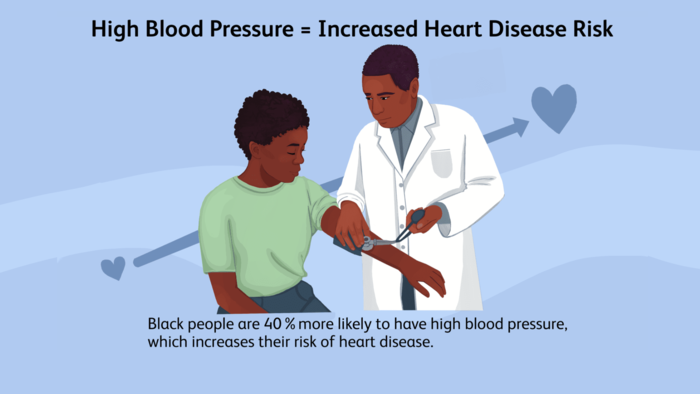
Posted By: S. Moore on June 22, 2023 On the outside, you’re seemingly healthy – and you feel fine. What’s more, now that you’re in your 50s, you’ve hit your stride in your chosen profession. The possibility of having a stroke seems far-fetched. That’s something that happens to other people – older people – right? While the internet recently trafficked in unconfirmed reports that actor Jamie Foxx, 55, had a stroke, what is known is that he falls within a risk category: Black, middle-aged and male. Movie director John Singleton was 51 when he had what was thought to be a minor stroke; he died two weeks later. Olympic track athlete Michael Johnson, once one of the fastest men in world, was 50 when he had a stroke during a home workout. Johnson is among those fortunate to recover. Black people in the United States are often at higher risk for stroke than other racial groups, largely because they’re at higher risk for underlying conditions that can lead to stroke. But genetics and social factors also play a role. What is Stroke? A stroke is a loss of blood to a part of your brain. Blood carries oxygen to your brain. When your brain cells don’t get enough oxygen, they can die. Without prompt treatment, stroke can cause disability, brain damage, or death. According to the Office of Minority Health, if you’re a Black man in the United States, your risk for stroke is 50% higher than for a white man. You’re also 70% more likely to die from it. If you’re a Black woman, you are twice as likely to have a stroke as a white woman and 30% more likely to die. In 2015, Black people had the highest mortality rate from stroke of any racial group and were more likely to be disabled afterward. Geography Your address matters when it comes to stroke risk. In a 2022 studyTrusted Source, Black people who lived in the South — in the so-called “Stroke BeltTrusted Source” — had higher stroke mortality rates than whites. The Stroke Belt comprises: • Alabama • Arkansas • Georgia • Indiana • Kentucky • Louisiana • Mississippi • North Carolina • South Carolina • Tennessee • Virginia People who live in rural areas are also more likely to have strokes. Your risk also increases if you live in an area with: • poor healthcare options • limited transportation to healthcare professionals • fewer healthy food options • fewer green spaces for exercise Genetics Lifestyle and environmental factors only account for 50%Trusted Source of stroke risk, according to a 2021 literature review. Genetic differences between people of African and European ancestry may contribute to the other half. But much more research is needed to understand better the role of genes in stroke in the Black population. Studies have also examined whether people of African descent might have genes that make them more susceptible to diabetesTrusted Source and hypertensionTrusted Source, risk factors for stroke. Social determinants of health SDOHs are nonmedical factors that can affect your health. They include: • economic and job stability • stable housing • pollution • neighborhood safety • access to transportation • systemic racism These factors can profoundly influence your ability to manage underlying conditions and control your risk factors for stroke. Risk Factors: There are several risk factors related to stroke. While some are beyond your control, others may be within your control. Controllable risk factors Conditions • High blood pressure • Obesity • Diabetes • Untreated sleep disorders • High cholesterol • Carotid artery disease • Peripheral artery disease • Atrial fibrillation • Other heart diseases • Sickle cell anemia Lifestyle • Smoking • Diet • Exercise • Sleep • Illegal drug use Uncontrollable risk factors • Genetics • Age • Gender • Race or ethnicity • Weather or climate • Previous stroke • Previous heart attack • Previous transient ischemic attack (TIA) • Social determinants of health Steps to Manage Your Risks  It is measured using two numbers. The first number, your systolic blood pressure, measures the pressure in your arteries when your heart beats. The second number, your diastolic blood pressure, measures the pressure in your arteries when your heart rests between beats. If the measurement reads 120 systolic and 80 diastolic, you would say, “120 over 80,” or write, “120/80 mm Hg.” If left unchecked, high blood pressure can damage the cells of your arteries' inner lining and cause a hardening called arteriosclerosis, blocking blood flow to your heart, brain, and kidneys, as well as to your muscles. Keep in mind that your blood pressure changes throughout the day based on your activities. It is measured using two numbers. The first number, your systolic blood pressure, measures the pressure in your arteries when your heart beats. The second number, your diastolic blood pressure, measures the pressure in your arteries when your heart rests between beats. If the measurement reads 120 systolic and 80 diastolic, you would say, “120 over 80,” or write, “120/80 mm Hg.” If left unchecked, high blood pressure can damage the cells of your arteries' inner lining and cause a hardening called arteriosclerosis, blocking blood flow to your heart, brain, and kidneys, as well as to your muscles. Keep in mind that your blood pressure changes throughout the day based on your activities. Normal Blood Pressure for Most Adults Less than 120/80 mm HG High Blood Pressure 130 or higher/80 or higher mm HG  Stay informed. Discuss high blood pressure with your healthcare provider. Use this guide to talk to your healthcare provider about your risks and ways to manage your blood pressure to help prevent stroke and dementia. Then, make a plan together and stick with it. Stay informed. Discuss high blood pressure with your healthcare provider. Use this guide to talk to your healthcare provider about your risks and ways to manage your blood pressure to help prevent stroke and dementia. Then, make a plan together and stick with it.  Take your medications. Your healthcare provider may recommend taking medicine daily to prevent stroke and heart attack, especially if you have high blood pressure. Take your medications. Your healthcare provider may recommend taking medicine daily to prevent stroke and heart attack, especially if you have high blood pressure.  Quit smoking or using tobacco. Smoking harms nearly every organ in the body, including the heart. Any amount of smoking, even light or occasional smoking, damages the heart and blood vessels. Quit smoking or using tobacco. Smoking harms nearly every organ in the body, including the heart. Any amount of smoking, even light or occasional smoking, damages the heart and blood vessels.  Manage your cholesterol levels. Reducing your cholesterol will lower your risk for developing a wide variety of serious health issues, including stroke and heart disease. Manage your cholesterol levels. Reducing your cholesterol will lower your risk for developing a wide variety of serious health issues, including stroke and heart disease.  Eat healthy and exercise. Eat plenty of fresh fruits and vegetables, cut down on fried foods, and use less salt. Get in about 30 minutes of moderate to intense exercise, like brisk walking or bicycling everyday. Following a healthy eating plan and keeping physically active on a regular basis will significantly lower your risk for heart disease, high blood pressure, type 2 diabetes, and other chronic and debilitating health problems. Eat healthy and exercise. Eat plenty of fresh fruits and vegetables, cut down on fried foods, and use less salt. Get in about 30 minutes of moderate to intense exercise, like brisk walking or bicycling everyday. Following a healthy eating plan and keeping physically active on a regular basis will significantly lower your risk for heart disease, high blood pressure, type 2 diabetes, and other chronic and debilitating health problems.  Manage your diabetes. Having diabetes or pre-diabetes puts you at increased risk for stroke and heart disease. You can lower your risk by keeping your blood glucose (also called blood sugar), blood pressure, and blood cholesterol close to the recommended target numbers provided by your healthcare provider. Manage your diabetes. Having diabetes or pre-diabetes puts you at increased risk for stroke and heart disease. You can lower your risk by keeping your blood glucose (also called blood sugar), blood pressure, and blood cholesterol close to the recommended target numbers provided by your healthcare provider.  Avoid using illicit drùgs and misusing alcohol. Generally, an increase in alcohol consumption leads to an increase in blood pressure. The use of illicit drùgs, such as cocaìne and methamphetamines, can cause stroke. Avoid using illicit drùgs and misusing alcohol. Generally, an increase in alcohol consumption leads to an increase in blood pressure. The use of illicit drùgs, such as cocaìne and methamphetamines, can cause stroke.  Stick to the plan. This is the hard part, but keeping your heart and brain healthy can lead to better overall health as you age. Stick to the plan. This is the hard part, but keeping your heart and brain healthy can lead to better overall health as you age.  Start early! Preventing stroke and heart disease is more effective if started in midlife. Studies also find that controlling blood pressure may also reduce risk of dementia. Start early! Preventing stroke and heart disease is more effective if started in midlife. Studies also find that controlling blood pressure may also reduce risk of dementia. SOURCE Healthline, NIH Mind Your Risks and WHO's Website If you enjoyed this article, Join HBCU CONNECT today for similar content and opportunities via email! |
Comments
More From This Author
Latest Health & Wellness



Popular Health & Wellness
 |
BENEFITS OF UNSWEETENED APPLESAUCEhile good health is more complex than eating an apple a day to keep the doctor away, fruits and vegetables provide undeniably crucial nutrition vital for good health. Whether apples are whole or made ...more
Hija Chang • 52,465 Views • June 25th, 2019 |
 |
Pediatricians: Partners in Helping Parents Quit SmokingPediatricians: Partners in Helping Parents Quit Smoking
by Dr. Brian Jenssen
Secondhand smoke (SHS) exposure affects approximately 40 percent of the children in the United States, increasing their ...more
Hija Chang • 47,689 Views • July 18th, 2019 |
 |
Boris Kodjoe and Nicole Ari Parker Launch 'Kofit' Wellness App At Essence FestDo you want to get fit but don't have time to hit the gym? Boris Kodjoe's new app is the perfect solution.
Whether you’re a working mom juggling multiple responsibilities or an entrepreneur who is ...more
Hija Chang • 22,731 Views • July 19th, 2019 |
 |
Energizing Ginger Carrot JuiceWho knew ginger could taste good in juices? Try our ginger carrot juice.
#Juicing
Ingredients
2 carrots
½ honeydew
2 apples
½ orange
1 mango
1 thumb of ginger
½ lemon
Directio ...more
Hija Chang • 18,274 Views • July 16th, 2019 |
 |
Get your free Caregiver Notebook.Keep track of the health information of the person in your care. Choose just the pages you need, or download all of them to create a complete Caregiver Notebook.
...more
Reginald Culpepper • 17,612 Views • April 4th, 2018 |


