








5 Women Who Defined Black Excellence in The Beauty Industry
|
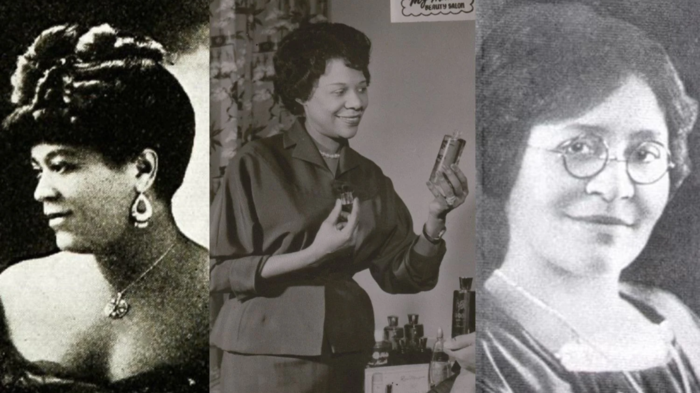
Posted By: S. Moore on March 27, 2024 In our rich Black history, there are extraordinary Black women who defied the odds, challenged norms, and redefined beauty standards. Among these stand Annie Turnbo Malone, Madam C.J. Walker, Anita Patti Brown, Eunice Johnson, and Robyn “Rihanna” Fenty—visionaries whose work has revolutionized the beauty industry, leaving a legacy of empowerment and inclusion. 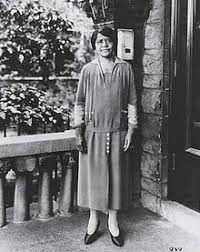 According to the National Museum of African American History and Culture, Annie Turnbo Malone and Madam C.J. Walker emerged as pioneers of the African American beauty industry, pioneering entrepreneurs who developed hair care and beauty products tailored to Black women’s needs. Born to formerly enslaved parents, Malone and Walker understood the significance of appearance in a society that is often judged based on Eurocentric beauty standards. They embarked on a journey to empower Black women, creating products, establishing beauty schools, and building successful businesses that employed hundreds of African Americans, predominantly women. 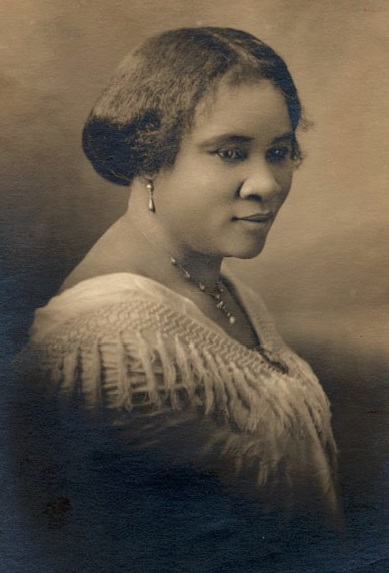 Annie Turnbo Malone, born in 1869 in Metropolis, Illinois, recognized early on that grooming represented more than personal style for African American women—it signified social status. Facing the challenges of a segregated and sexist society, Malone persevered, establishing her business empire with products like the “Hair Grower” and Poro College Company. Similarly, Madam C.J. Walker, born Sarah Breedlove in 1867, transformed her personal hair struggles into a thriving enterprise. Through her renowned Wonderful Hair Grower and Lelia College, Walker became America’s first self-made female millionaire, inspiring generations to come. 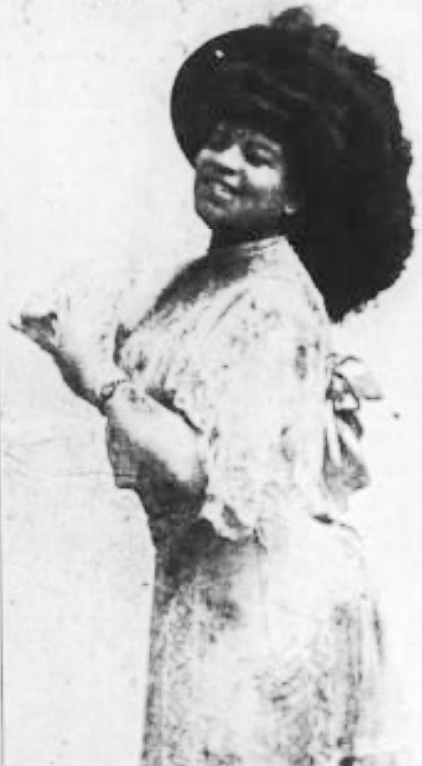 Anita Patti Brown, celebrated as the “Bronze Tetrazzini” of her time, transcended the boundaries of music to become a pioneer in the beauty industry. Leveraging her fame, Brown founded Patti’s Beauty Emporium, offering cosmetics and perfumes tailored to Black consumers. She ran ads for Patti’s Beauty Emporium’s Brazilian toilette luxuries in early editions of The Crisis, the NAACP’s quarterly magazine. Her strategy would be later adopted by Rihanna. 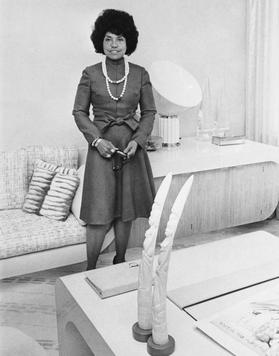 Eunice Johnson, the visionary force behind Fashion Fair, shattered racial barriers and boldly established a new affirmation of Black beauty. Established in 1973, Fashion Fair became the first international prestige cosmetics brand for darker skin tones, breaking stereotypes and celebrating the diversity of Black beauty, the Council for International African Fashion Education highlights. Johnson’s commitment to representation and empowerment resonated beyond the makeup counter, as she used her platform to elevate Black voices and redefine standards of beauty in mainstream culture. Eunice Johnson, the visionary force behind Fashion Fair, shattered racial barriers and boldly established a new affirmation of Black beauty. Established in 1973, Fashion Fair became the first international prestige cosmetics brand for darker skin tones, breaking stereotypes and celebrating the diversity of Black beauty, the Council for International African Fashion Education highlights. Johnson’s commitment to representation and empowerment resonated beyond the makeup counter, as she used her platform to elevate Black voices and redefine standards of beauty in mainstream culture. When she became a billionaire, INC. highlighted Robyn “Rihanna” Fenty–acclaimed singer, actress, and fashion icon–as a trailblazer in her own right. She is reshaping the beauty landscape with Fenty Beauty. Inspired by her experiences as a woman of color, Rihanna prioritized diversity and representation, offering an expansive range of foundation shades. Through Fenty Beauty, Rihanna challenged industry standards and ignited a global conversation about inclusivity and self-expression in beauty. As we celebrate Women’s History Month, let us honor the contributions of these visionary women who transformed beauty. Because of them, we can redefine our beauty on our own terms. SOURCE Because of Them We Can If you enjoyed this article, Join HBCU CONNECT today for similar content and opportunities via email! |
Comments
More From This Author
Latest News
 |
Promote the Vote Fund: Ensuring Every Voice Is Heard in Michigan 28 April 2026
Promote the Vote Fund, a Ford grantee, is a coalition of partner organizations leading these efforts. The organization works across the ideological spectrum to support voting rights for Michiganders ...more
Hija Chang • 101 Views • May 3rd, 2026 |
 |
Temple to open medical campus in Atlantic CityBoth Temple and the Katz School of Medicine are guided by the belief that education and healthcare open doors and transform communities, and that is exactly what we have accomplished in Pennsylvania,” ...more
Hija Chang • 108 Views • May 3rd, 2026 |
 |
Apartheid’s legacy and the rise of xenophobia in South Africa todayPhoto: An image showing a South African township street with closed small shops owned by African migrants, police presence in the background, and community members walking past with tense expressions. ...more
Joel Savage • 336 Views • April 30th, 2026 |
 |
James Artissen, Big Gipp & DJ Burn One - Just Another DayAcclaimed Grammy-Nominated singer-songwriter James Artissen teams up with Southern hip-hop rapper Big Gipp, and respected producer DJ Burn One for their latest release, “Just Another Day.” The record ...more
Lenell Johnson • 212 Views • April 28th, 2026 |
 |
PROPEL Center Launches Future of Tech Innovation Challenge to Spotlight HBCU Talent & Shape the Next Generation of AI LeadersPROPEL Center, the global HBCU technology and innovation hub committed to strengthening the future Black talent pipeline, announced the launch of the Future of Tech Innovation Challenge, a national co ...more
Crystal Willis • 267 Views • April 27th, 2026 |
Popular News



 |
North Carolina HBCU Unity DayShaw University - Elizabeth City State University - Johnson C. Smith University - Fayetteville State University - Livingstone College - North Carolina A&T State University - North Carolina Central Uni ...more
Reginald Culpepper • 108,227 Views • August 8th, 2016 |


