








GOLD RUSH LEGACY: THE FIGHT OF BLACK DESCENDANTS FOR THEIR ANCESTORS' LAND
|
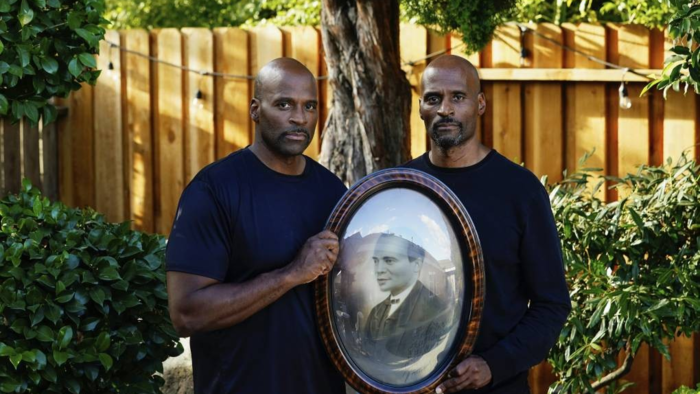
Posted By: Catalina Deossa on July 31, 2024 In Coloma, California, a small town where the gold rush began, Black families are seeking restitution for land that was taken from their ancestors. Coloma, located approximately 36 miles northeast of Sacramento, played a crucial role during the gold rush of 1848, which attracted people from across the United States and beyond, including free and enslaved Black individuals. Over the years, the town’s historical significance has been overshadowed by its transformation into the Marshall Gold Discovery State Historic Park in 1942, which now features a museum, churches, cemeteries, and a prominent monument of gold rush figure James W. Marshall. The fight for restitution in Coloma is part of a broader movement by Black Americans to address historical injustices and secure reparations for the systemic wrongs faced by their ancestors. The struggle often revolves around land, a central element in discussions about reparations, harking back to the mid-1800s promise by the U.S. government to provide formerly enslaved Black individuals with up to 40 acres of land—a promise that remains unfulfilled and symbolizes the broader issue of racial inequity. In Coloma, the historical context is complex. The land where the state park now stands was once owned by Black families who were displaced as the area was redeveloped. For instance, Elmer Fonza, a retiree and descendant of Nelson Bell—a formerly enslaved Black man who acquired property in Coloma—has been advocating for the return of this land to his family. Bell’s estate was sold off after his death in 1869, and Fonza argues that this land should be returned to his descendants, who have been denied the generational wealth that might have been theirs. Similarly, Jonathan Burgess, whose family is also connected to Coloma’s early Black settlers, argues for reparations and acknowledgment of his ancestors’ lost property. Burgess is descended from Rufus Morgan Burgess, a Black writer who came to Coloma with his enslaved father. Despite discrepancies in claims among different families, the call for restitution is united by the desire for justice and the restoration of what was unjustly taken. The issue of restitution is gaining traction in California, where reparations legislation is under consideration. Recent proposals include the creation of the California American Freedmen Affairs Agency to assist Black residents in tracing their lineage and pursuing claims. Another proposed bill seeks to address the return of property or compensation for families whose land was taken due to racial discrimination. This legislation reflects a growing recognition of the need to address historical wrongs and make reparations for injustices committed against Black families. California’s efforts in reparations have also been highlighted by the return of a beachfront property in Los Angeles County to a Black couple in 2022, demonstrating the potential for legal and legislative measures to address historical grievances. Additionally, Governor Gavin Newsom’s inclusion of $12 million in the state’s 2024 budget for reparations signifies a step forward, though the specifics of how this funding will be utilized remain to be clarified. State Senator Steven Bradford, a key advocate for the reparations proposals, emphasizes that the goal of reparations is not merely financial compensation but the restoration of land, which is integral to building generational wealth. The ongoing debate underscores the broader challenges in addressing and rectifying historical injustices through meaningful and actionable policies. The quest for restitution in Coloma and similar efforts across the country represent a significant chapter in the broader reparations movement, highlighting the complex intersection of history, policy, and justice in the ongoing struggle for racial equity and reparative justice. If you enjoyed this article, Join HBCU CONNECT today for similar content and opportunities via email! |
 |
Catalina Deossa
Archaeologist, CHRONOS SAS Florida Int`l Univ class of 2011 Member Since April 2024 |
Comments
More From This Author
Latest News
 |
Promote the Vote Fund: Ensuring Every Voice Is Heard in Michigan 28 April 2026
Promote the Vote Fund, a Ford grantee, is a coalition of partner organizations leading these efforts. The organization works across the ideological spectrum to support voting rights for Michiganders ...more
Hija Chang • 78 Views • May 3rd, 2026 |
 |
Temple to open medical campus in Atlantic CityBoth Temple and the Katz School of Medicine are guided by the belief that education and healthcare open doors and transform communities, and that is exactly what we have accomplished in Pennsylvania,” ...more
Hija Chang • 82 Views • May 3rd, 2026 |
 |
Apartheid’s legacy and the rise of xenophobia in South Africa todayPhoto: An image showing a South African township street with closed small shops owned by African migrants, police presence in the background, and community members walking past with tense expressions. ...more
Joel Savage • 317 Views • April 30th, 2026 |
 |
James Artissen, Big Gipp & DJ Burn One - Just Another DayAcclaimed Grammy-Nominated singer-songwriter James Artissen teams up with Southern hip-hop rapper Big Gipp, and respected producer DJ Burn One for their latest release, “Just Another Day.” The record ...more
Lenell Johnson • 202 Views • April 28th, 2026 |
 |
PROPEL Center Launches Future of Tech Innovation Challenge to Spotlight HBCU Talent & Shape the Next Generation of AI LeadersPROPEL Center, the global HBCU technology and innovation hub committed to strengthening the future Black talent pipeline, announced the launch of the Future of Tech Innovation Challenge, a national co ...more
Crystal Willis • 253 Views • April 27th, 2026 |
Popular News



 |
North Carolina HBCU Unity DayShaw University - Elizabeth City State University - Johnson C. Smith University - Fayetteville State University - Livingstone College - North Carolina A&T State University - North Carolina Central Uni ...more
Reginald Culpepper • 108,198 Views • August 8th, 2016 |


