





From Silos to Solutions: How UDC Can Support Justice-Impacted Youth and Adults in Higher Education
|
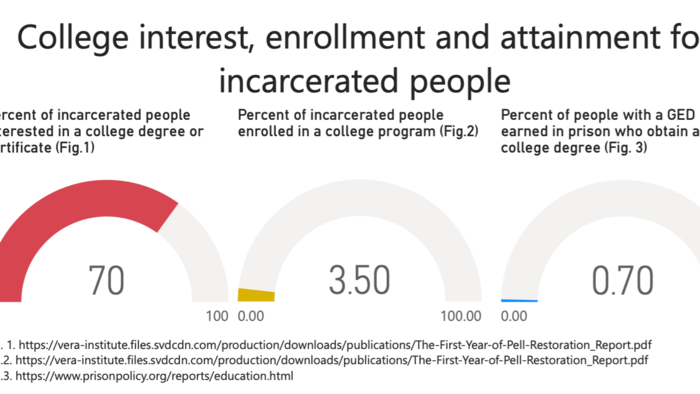
Posted By: Zora Colleye on December 13, 2024 In Washington D.C., a city known for policy innovation and educational reform, The See Forever Foundation held its inaugural From Silos to Solutions conference. Educators, policymakers, and advocates from across the nation gathered to discuss ways to address the systematic barriers faced by justice- impacted youth. Among the topics discussed was the transformative potential of higher education, and how institutions, such as the University of the District of Columbia (UDC), could better support justice- impacted youth. UDC is well positioned to address the needs of justice- impacted youth through its existing programs and policies, such as flexible learning and student support systems, which could be further expanded to benefit these students. UDC’s Community College (UDC-CC) is tailored to nontraditional students, with over two-thirds of students attending part-time. Its open-enrollment policy ensures higher education is accessible to students with disrupted educational paths, including those emerging from the justice system. Additionally, about 60% of UDC-CC’s schedule is comprised of evening and weekend courses, providing flexibility for students balancing work and family commitments, which may be of particular benefit for students in the process of re-entry who may not have the financial support required to attend university full-time. The lack of a minimum credit requirement per term adds to this flexibility and allows students to progress at their own pace—a feature that could have a great impact for justice- impacted youth. The process to transfer from UDC-CC to UDC’s flagship four year program is designed to be seamless, allowing for these students to begin their college experience with more flexibility with an easy option to continue their studies to obtain a bachelor’s degree if so desired. UDC also offers a robust student employment program, including Federal Work-Study and the Student Employment Program, which helps students find job placements while in school. The financial support and work experience provided by these programs can be extremely valuable for justice- impacted youth and have the potential to help increase retention and decrease recidivism rates. The university also provides a host of academic support for its students, such as the Student Success Center, which offers academic advising, registration assistance, and intervention for at- risk students. The Center for Academic and Career Excellence also provides different styles of tutoring in critical subjects such as mathematics, writing, and science, which many formerly incarcerated youth tend to struggle in. UDC is also home to a Workforce Development and Lifelong Learning Division, providing job skills training and employment opportunities free of cost to D.C. residents. These initiatives offer a more structured and supportive transition to college life and employment. UDC-CC is dedicated to early college exposure through its College Access and Readiness for Everyone Program (CARE). The CARE program partners with D.C. area public and charter schools, including the Maya Angelou Public Charter School, allowing high school students to earn college credits at no cost. Students also benefit from academic advising, peer tutoring, and transition resources. This program could be expanded to include the Maya Angelou Academies in secure facilities, creating a new pipeline from incarceration to higher education, and could help these students recognize their potential for higher education. Francine Umaru, College and Career Success Specialist at Maya Angelou Academy at New Beginnings, emphasized the importance of such programs: “These scholars can become discouraged and disengaged without collaborative support and wrap-around services. Our scholars deserve the chance to thrive.” Such an initiative would address a critical gap: according to studies conducted by the Vera Institute for Justice in 2024 and the Prison Policy Initiative in 2018, 70% of incarcerated individuals express interest in obtaining a college degree or certificate, but only 3.5% are enrolled in degree programs, and a mere 0.7% of those who earned a GED in prison also achieve a college degree. By connecting justice-impacted students to education early, UDC can help shift these statistics. Cyril Pickering, Ph.D., School Psychologist at the See Forever Foundation, explained during the conference, “Justice-involved youth and young adults face significant challenges upon returning to their communities, including re-engagement with school, work, family, and accessing social and mental health services.” UDC offers resources through its Office of Residence Life and Off-Campus Housing Services to help address housing instability, often a major concern during the reentry process. The office provides guidance for students searching for affordable housing options and connects them with resources such as emergency rental assistance, transitional housing programs, and family housing support. Mental health support is another part of UDC’s services which has the potential to greatly impact formerly incarcerated students. The Center for Well-Being Programs and Psychological Services provides free, confidential counseling—a vital resource for justice-impacted youth who are often struggling with the lasting effects of trauma. To further alleviate barriers, UDC offers essential resources such as a food pantry and a thrift shop, ensuring students can focus on their education without sacrificing basic needs. In addition, the Youth Justice Clinic at UDC’s David A. Clarke School of Law complements these efforts by addressing barriers such as housing instability and education inequity through legal representation and community partnerships. The clinic’s expertise in reentry support—such as assisting with housing, name and gender changes, and legal advocacy—could be expanded to directly benefit justice-impacted students seeking higher education at UDC, offering a seamless transition from legal challenges to academic success. Despite its strong foundation, UDC has room to expand its support for justice-impacted youth. Resources for housing assistance could be integrated into UDC’s framework to create a seamless support system rather than going through third parties. Expanding partnerships with community organizations such as Housing Up and the Legal Aid Society could further support justice-impacted students, particularly those transitioning from incarceration by ensuring they have access to the assistance they need to stabilize their living situations. UDC could also provide Faculty and staff training in trauma-informed practices could also foster a more inclusive and supportive campus environment. Paul Ashton, deputy executive director of the Justice Policy Institute, highlighted “the importance of trauma-informed care, education, workforce development, housing stability, and community-based supports” in reducing recidivism and empowering justice-impacted youth. For UDC, the lessons from the From Silos to Solutions conference present an opportunity to lead by example. By expanding its existing programs, addressing gaps, and fostering collaboration, the university can become a national model for how higher education institutions support justice-impacted youth. This moment calls for more than education—it calls for empowerment. By building pathways from incarceration to higher education, UDC can ensure that justice-impacted students don’t just survive but thrive, creating futures filled with opportunity, stability, and success. With its resources and commitment to equity, UDC stands poised to make higher education a powerful tool for empowerment and change. As the convening emphasized, "When we break down the silos that separate us, we can build pathways to opportunity, equity, and justice for the youth we serve." If you enjoyed this article, Join HBCU CONNECT today for similar content and opportunities via email! |
 |
Zora Colleye
Student, University of the District of Columbia University of the District of Columbia class of 2025 Member Since September 2024 |
Comments
More From This Author
Latest News


Popular News



 |
North Carolina HBCU Unity DayShaw University - Elizabeth City State University - Johnson C. Smith University - Fayetteville State University - Livingstone College - North Carolina A&T State University - North Carolina Central Uni ...more
Reginald Culpepper • 116,550 Views • August 8th, 2016 |


