


Press Freedom in Scandinavia: What Africa can learn, and what Europe must fix
|
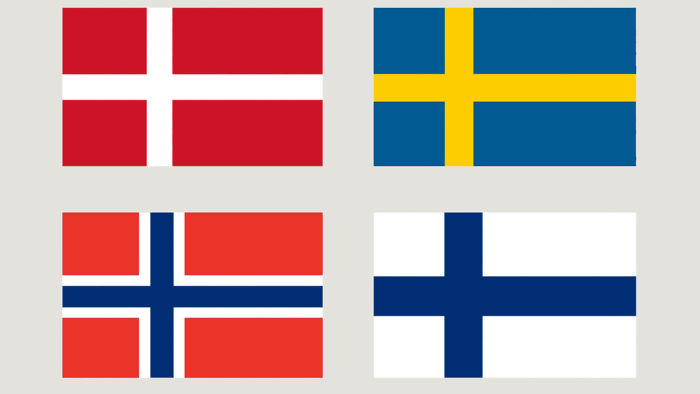
Posted By: Joel Savage on January 31, 2026 Scandinavia is often celebrated as the global gold standard for press freedom. Denmark, Sweden, Norway, and Finland consistently rank at the top of international indexes, with strong legal protections, transparent institutions, and a culture that respects the role of journalists as watchdogs of democracy. In these countries, the media is not treated as an enemy of the state but as a partner in safeguarding public accountability. This environment allows journalists to investigate corruption, challenge political power, and report on sensitive issues without fear of arrest, censorship, or violent retaliation. For many African nations still battling political interference, state intimidation, and restrictive media laws, Scandinavia offers a model of what is possible when governments truly value free expression. Yet the Scandinavian example is not perfect, and Africa should learn from both its strengths and its blind spots. While Nordic journalists enjoy exceptional freedom, minority voices, including African migrants, often struggle to be heard or represented fairly. Media narratives in these countries can still reflect stereotypes, Eurocentric assumptions, or a lack of understanding of African realities. Press freedom means little if it does not include diversity of perspective. African nations can draw inspiration from Scandinavia’s legal frameworks while also recognizing that true freedom requires inclusive storytelling, not just the absence of state repression. Europe, too, has its own contradictions to confront. Scandinavian countries may champion human rights abroad, but their immigration policies, asylum systems, and public debates about race often reveal a different reality at home. African journalists living in Europe frequently encounter subtle forms of discrimination, professional exclusion, or institutional barriers that contradict Europe’s self‑image as a defender of free speech. Press freedom cannot be considered complete when African voices are marginalized, when migrant communities are spoken about rather than spoken with, or when European media fails to challenge its own biases. For Africa, the lesson is twofold: adopt the structural protections that make Scandinavian journalism strong, but avoid the complacency that allows inequality to hide behind a reputation for freedom. For Europe, the message is equally clear: leadership in press freedom must be matched by fairness, diversity, and genuine inclusion. A continent that claims to defend global human rights must ensure that African journalists, migrants, and communities are not treated as invisible within its own borders. Only then can Europe speak with moral authority, and only then can Africa and Scandinavia truly learn from one another. Read more: https://juskosave.blogspot.com/2026/01/pre... If you enjoyed this article, Join HBCU CONNECT today for similar content and opportunities via email! |
 |
Joel Savage
Independent Belgian–Ghanaian Journalist, Writer & Author, Antwerp Province Member Since September 2013 |
Comments
More From This Author
Latest News
 |
Online Master's in Organizational Leadership: Education Leadership TrackLeadership for the future of education Education is changing fast and its leaders need more than good instincts. Brown's online Master of Science in Organizational Leadership now offers an Education L ...more
Reginald Claremont • 838 Views • October 8th, 2026 |
 |
Black Girl Vitamins Brings Its Homecoming of Health Tour to HBCU Campuses This FallBlack Girl Vitamins is celebrating HBCU homecoming season by bringing wellness education, self-care resources, and interactive experiences directly to students and alumni at some of the nation's most ...more
Reginald Claremont • 158 Views • October 8th, 2026 |

 |
Delaware State University Nears 7,000 Students as Fall Enrollment Outpaces Last Year's RecordDelaware State University is approaching a record 7,000 students this fall, with enrollment up nearly 40% since 2020 and the largest in-state freshman class in school history. ...more
Roger The Great • 205 Views • October 7th, 2026 |
 |
Byron Allen's Allen Media Group/HBCU GO Announces 2027 Basketball ScheduleAllen Media Group's free-streaming digital and television platform, HBCU GO – the leading media provider for the nation's 107 Historically Black Colleges and Universities (HBCUs) – will tip off its 20 ...more
Reginald Claremont • 165 Views • October 7th, 2026 |
Popular News
 |
Louisiana Upholds Life Sentence to Black Man For Stealing Hedge Trimmers in 1997While this may not be HBCU related news, as an AFrican American male, I had to share this appalling decision by the Louisiana court system to keep a man in jail with a life sentence for such a petty c ...more
Roger The Great • 405,964 Views • August 6th, 2020 |
 |
Blonde Instagram Model Goes Viral for Graduating from HBCU and Pledging Delta Sigma Theta!A blonde woman is going viral this morning, for graduating from A Historically Black College while pledging a Black sorority, Delta Sigma Theta Sorority Incorporated.
@Blonde_HBCU
The woman, an IG ...more
Roger The Great • 190,283 Views • November 30th, 2020 |
 |
Apple to Invest over $40 Million Dollars into HBCUs - Time to major in Computer Science!!!On Tuesday Johnny C. Taylor, President and CEO of the Thurgood Marshall College Fund stopped by “NewsOne Now” to make a major announcement that could literally change the lives of thousands of HBCU st ...more
Roger The Great • 131,081 Views • March 11th, 2015 |
 |
North Carolina HBCU Unity DayShaw University - Elizabeth City State University - Johnson C. Smith University - Fayetteville State University - Livingstone College - North Carolina A&T State University - North Carolina Central Uni ...more
Reginald Claremont • 118,418 Views • August 8th, 2016 |
 |
Black Billionaire Robert F. Smith to Donate $50 Million to Support STEM Students at HBCUsThe Student Freedom Initiative announced today a $50 million personal gift from Robert F. Smith, philanthropist and Founder, Chairman and CEO of Vista Equity Partners. This gift matches the initial fu ...more
Roger The Great • 86,681 Views • October 22nd, 2020 |


